

Want to reshape your nose? Get the Best Rhinoplasty in Riyadh to fix your nose shape. With this surgery, the doctor can recreate the nose that is unshapen.
At the Aesthetic Clinic Riyadh, our rhinoplasty surgeon uses the latest techniques and tools to fix the nose. We focus on natural-looking results that fit your face. We help you breathe better and look better.
Read the page below to learn more about it.
Quick facts:
- Cost: 14999 SAR-44,999 SAR
- Results: Permanent.
- Side effects: minimal, may go away with time.
- Success rate: 97%, most candidates see the maximum outcomes with no risks.
- Type of Procedure: Surgical (open or closed)
- Anaesthesia: General anaesthesia
- Duration: 1.5 to 3 hours
- Recovery Time: 1 to 2 weeks off work
- Swelling Timeline: 80% gone in 3 months, 100% in 1 year
- Results: Visible after cast removal (final shape after 1 year)
- Scarring: No visible scars (closed) / Hidden columellar scar (open)
- Return to Work: 1 to 2 weeks
Why Choose Aesthetic Clinic Riyadh?
- MOH-Licensed Surgeons: Our team is certified and experienced.
- Board-Certified Plastic Surgeons: We have specialists in facial surgery.
- 3D Simulation Technology: See your results before surgery.
- Natural-Looking Results: We preserve your ethnic identity and facial harmony.
- Preservation Techniques: We use modern methods for faster recovery.
- Comprehensive Care: We guide you from consultation to full recovery.
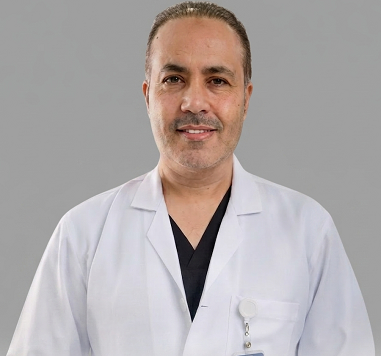
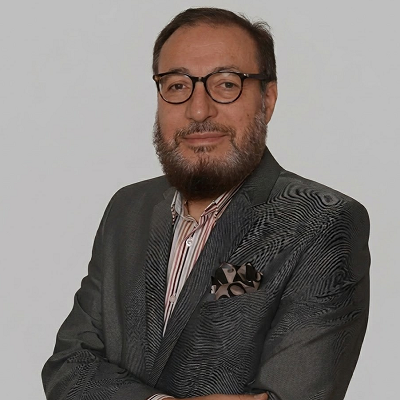
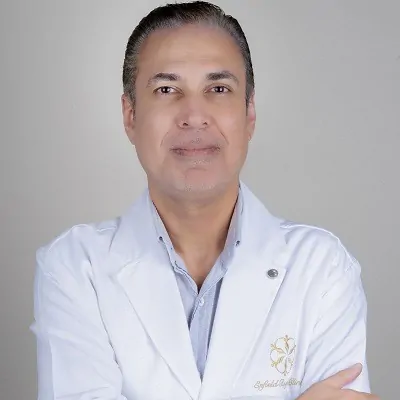
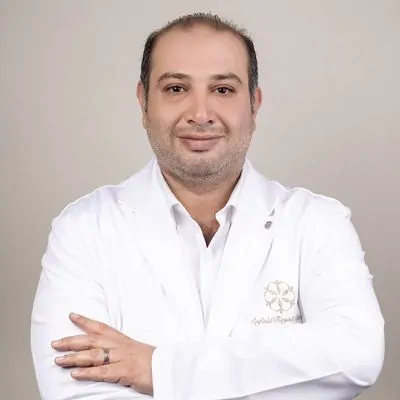
Meet the best rhinoplasty surgeon in Riyadh: Dr Jamal Al Deeb & Dr Rabea Abi Rafea!
At Aesthetic Clinic Riyadh, your nose job is done by top surgeons from around the world. Dr Jamal Al Deeb is an Egyptian nose specialist with more than 20 years of experience. He is known for giving patients noses that look natural, work well, and help them breathe better. He does not just make your nose look good. He makes sure it functions the way it should.
Dr Rabih Abi Rafea is a Lebanese plastic surgeon who also has 20 years of experience. He brings skill, care, and advanced techniques to every surgery. He pays attention to every small detail. He makes sure you get the best possible result.
Rhinoplasty:
Rhinoplasty is the medical name for a nose job. It is a surgical procedure that changes the shape of your nose. It can make it smaller, larger, straighter, or more balanced. It can also fix breathing problems caused by a deviated septum.
There are two main types of rhinoplasty.
Closed Rhinoplasty:
All incisions are made inside the nose so there are no visible scars. This is best for patients who need minor changes to the nasal tip or bridge.
Open Rhinoplasty:
A small incision is made across the columella.. This gives the surgeon better access to the nasal structures.
Preservation Rhinoplasty:
This is a newer technique. The surgeon preserves as much of your natural nasal structure as possible. It gives more natural-looking results and faster recovery. It is very popular today.
Ethnic Rhinoplasty:
This is a specialized approach for patients of different ethnic backgrounds. The surgeon respects your unique facial features. The goal is to enhance your nose while keeping your ethnic identity.
Septorhinoplasty:
This combines rhinoplasty with Septoplasty . It fixes both the appearance of your nose and any breathing problems caused by a deviated septum.
Revision Rhinoplasty:
This is a second surgery to correct problems from a previous nose job. It is more complex. It requires an experienced surgeon.
Tip Rhinoplasty:
This focuses only on the nasal tip. It can make the tip narrower, more defined, or more elevated. It is a smaller procedure with quicker recovery.
Non-Surgical Rhinoplasty:
This uses dermal fillers to change the shape of the nose. It is not permanent. It lasts 12 to 18 months. It is good for minor corrections but cannot make the nose smaller.
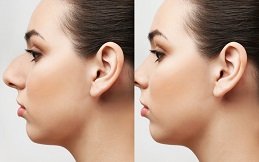
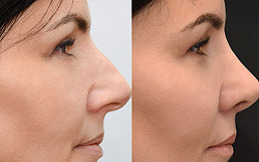
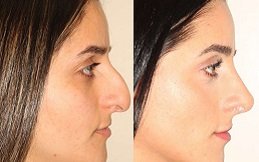
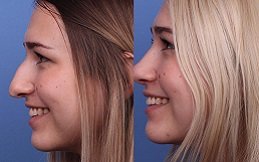
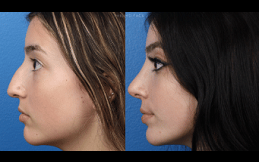
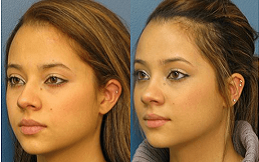
Rhinoplasty Before and After
What can you expect from rhinoplasty before and after?
Before:
You have a bump, a wide tip, a crooked nose, or breathing problems. You are self-conscious about your nose. You hide it in photos. You feel it distracts from your other features.
After (cast removal):
Your nose looks straighter and more balanced. There is swelling, so it looks bigger than the final result. But you can already see the improvement.
After 3 months:
About 80% of the swelling is gone. Your nose looks much more refined. You can see the final shape starting to emerge.
After 1 year:
100% of the swelling is gone. This is your final result. Your nose looks natural and fits your face perfectly.
Why Do People Get Rhinoplasty?
There are two main reasons.
Cosmetic Reasons:
You want your nose to look better. You are unhappy with its size, shape, or proportions. Common cosmetic concerns include:
- A bump on the nasal dorsum (nasal hump removal).
- A wide or bulbous nasal tip.
- A droopy or upturned tip.
- A nose that is too long or too short.
- A nose that is too wide or too narrow.
- Asymmetry.
Functional Reasons:
You have trouble breathing. This is often caused by a deviated nasal septum. The septum is the wall that divides your nose. When it is crooked, it blocks airflow. You may also have problems with the internal nasal valve.
Both Reasons:
Many patients want both. They want a better-looking nose and better breathing. Septorhinoplasty addresses both at the same time.
The 3D Rhinoplasty Simulation:
Before your surgery, we use 3D simulation technology. This is a computer program that shows you what your nose could look like after surgery.
Here is how it works.
- Your surgeon takes photos of your face from different angles.
- The software creates a 3D model of your nose.
- You and your surgeon discuss what you want to change.
- The software shows you the potential results.
This helps you and your surgeon agree on the goal. You know exactly what to expect. There are no surprises.
Facial Analysis: The Golden Ratio
Your nose does not exist in isolation. It is part of your whole face. A good surgeon does not just change the nose. They balance the entire face.
- We use the Golden Ratio and the thirds and fifths rule.
- Your face is divided into thirds (forehead, nose, chin).
- Your nose should occupy the middle third.
- Your face is also divided into fifths (vertical segments).
- The width of your nose should be about one-fifth of your face width.
Your surgeon also analyzes:
- Nasofrontal angle: The angle between your forehead and nose.
- Nasolabial angle: The angle between your nose and upper lip.
- Tip projection: How far your nose sticks out.
Rhinoplasty Candidacy:
- Adults 18 years and older (bone growth is complete).
- Healthy individuals with no serious medical conditions.
- People with realistic expectations.
- People who are unhappy with the appearance or function of their nose.
- Non-smokers (or willing to stop).
- People who are mentally prepared for the recovery process.
Nasal Anatomy: What the Surgeon Works On
Your nose is made up of bone, cartilage, and skin. During rhinoplasty, your surgeon may work on:
- Nasal dorsum: The bridge of your nose.
- Nasal tip: The rounded end of your nose.
- Columella:The strip of skin between your nostrils.
- Upper lateral cartilages: The cartilage that forms the middle part of your nose.
- Lower lateral cartilages: The cartilage that forms the tip and nostrils.
- Nasal septum: The wall that divides your nose.
- Internal nasal valve: The narrowest part of your airway.
Your surgeon may also use:
- Osteotomy: Cutting the nasal bones to narrow the nose.
- Spreader grafts: Small pieces of cartilage to open the airway and straighten the bridge.
- Columellar strut graft: A graft to support and shape the tip.
- Septal cartilage graft: Using your own septum cartilage for reshaping.
- Costal rib cartilage graft:Using rib cartilage for major reconstruction.
Pre-Care Instructions:
Before your surgery, follow these steps:
- Stop smoking at least 2 weeks before surgery.
- Avoid blood-thinning medications.
- Do not take herbal supplements.
- Fast for 8 hours before surgery.
- Arrange for someone to drive you home.
The Procedure
Here is what happens during rhinoplasty.
Step 1: Anaesthesia
You receive general anaesthesia. You are completely asleep. You feel nothing during the surgery.
Step 2: Incisions
Your surgeon makes incisions. For closed rhinoplasty, incisions are inside the nose. For open rhinoplasty, one small incision is made on the columella.
Step 3: Reshaping
Your surgeon reshapes your nasal structures. They may:
Remove a bump from the nasal dorsum (nasal hump removal).
Narrow the nasal bones (osteotomy).
Reshape the nasal tip.
Straighten the nasal septum.
Place grafts (spreader grafts, columellar strut graft, or cartilage grafts).
Step 4: Closure
The incisions are closed with fine stitches. A splint is placed on your nose. Packing may be placed inside your nostrils (not always).
Post-Operative Care:
- Keep your head elevated (sleep on 2 to 3 pillows).
- Apply ice packs to your eyes to reduce bruising.
- Take pain medication as prescribed.
- Do not blow your nose.
- Do not bend over or strain.
- Do not wear glasses (use tape on the bridge if needed).
- You can gently wash your face.
- Continue to sleep with your head elevated.
- You can resume light exercise.
- You can wear glasses (tape is not needed after week 4).
- You can do most normal activities.
Rhinoplasty Swelling Timeline:
Swelling is the biggest concern for most patients. Here is the truth about swelling.
First week: Maximum swelling. Your nose looks bigger than the final result.
- Week 2: Swelling starts to go down. You look better every day.
- Month 1: 50% of swelling is gone. You look good enough for photos.
- Month 3: 80% of swelling is gone. Your nose looks close to the final result.
- Month 6: 95% of swelling is gone. Only minor swelling remains.
- Year 1: 100% of swelling is gone. This is your final result.
Rhinoplasty Scarring:
Closed rhinoplasty: No visible scars. All incisions are inside your nose.
Open rhinoplasty: One tiny scar on the columella. It is very small (about 3 to 4 mm). It is hidden under your nose. It fades over time and becomes almost invisible.
Scar management:
- Keep the area clean and dry.
- Do not pick at any crusts or scabs.
- Use silicone scar gel as recommended.
- Avoid sun exposure for 1 year.
- Apply sunscreen to the scar.
Rhinoplasty Cost in Riyadh:
The Rhinoplasty cost in Riyadh varies from 18,000 SAR to 30,000 SAR. It is not possible to fix a single price for everyone. Different individuals have different conditions that they want to treat. So the price depends on the person.
Consult with our doctor and discuss your concerns. After making a treatment plan for you, he will give you the estimated cost that you might have to pay.
Treatment | Price Range (SAR) |
15,000 – 25,000 | |
Open Rhinoplasty | 20,000 – 35,000 |
Preservation Rhinoplasty | 22,000 – 38,000 |
Ethnic Rhinoplasty | 22,000 – 40,000 |
Septorhinoplasty | 20,000 – 35,000 |
Revision Rhinoplasty | 30,000 – 45,000 |
Tip Rhinoplasty | 10,000 – 18,000 |
Non-Surgical Rhinoplasty | 3,000 – 6,000 |
Factors That Affect the Cost:
- Type of procedure: Open and revision surgeries cost more.
- Surgeon’s experience: Senior surgeons may charge higher fees.
- Anaesthesia fees: General anaesthesia costs more.
- Hospital charges: Operating room and nursing care.
- Clinic location: Premium areas may have higher rates.
- Pre-surgery tests: Blood work and imaging.
- Post-surgery care: Medications and follow-up visits.
Book Your Consultation Today
Your nose is one of the first things people notice about you. It should make you feel confident, not self-conscious.
At An Aesthetic Clinic Riyadh, we offer safe, effective rhinoplasty. Our MOH-licensed surgeons are experts in facial surgery. They understand your concerns. They treat you with respect and care.
FAQs:
What Is the Difference Between Open and Closed Rhinoplasty?
Closed rhinoplasty has no visible scars. Open rhinoplasty has a small scar under the nose. Open gives the surgeon better access for complex cases.
Does Rhinoplasty Hurt?
You are asleep during surgery. Afterward, you may feel soreness and stuffiness. Pain medication helps. Most patients say it is manageable.
How Long Does Recovery Take?
You can return to work in 1 to 2 weeks. Swelling takes 3 to 12 months to fully go down. Full results are visible at 1 year.
Will I Have Visible Scars?
Closed rhinoplasty has no visible scars. Open rhinoplasty has a tiny scar on the columella. It fades over time and is almost invisible.
Will My Nose Look Natural?
Yes. Our surgeons use modern techniques like preservation rhinoplasty. The goal is a nose that fits your face and looks like it belongs there.
Can I Combine Rhinoplasty with Other Procedures?
Yes. Many patients combine rhinoplasty with chin augmentation, eyelid surgery, or facelift for complete facial harmony.
When Can I Exercise Again?
Light walking after 2 weeks. Avoid intense exercise for 6 weeks. Avoid contact sports for 3 months.
When Can I Wear Glasses Again?
You can wear glasses after 4 weeks. Use tape on the bridge for the first week after the splint is removed.
Can I Get Rhinoplasty If I Have Breathing Problems?
Yes. Septorhinoplasty fixes both the appearance and breathing problems caused by a deviated septum.
Is Rhinoplasty Safe?
Yes. When performed by a board-certified, DHA-licensed surgeon in a safe facility, it is very safe.
What Is Preservation Rhinoplasty?
Preservation rhinoplasty is a modern technique. The surgeon preserves as much of your natural nasal structure as possible. This gives more natural results and faster recovery.
What Is Ethnic Rhinoplasty?
Ethnic rhinoplasty respects your ethnic features. The goal is to enhance your nose while keeping your unique identity.
What Is Revision Rhinoplasty?
Revision rhinoplasty is a second surgery to fix problems from a previous nose job. It is more complex and requires an experienced surgeon.
How Much Does Rhinoplasty Cost in Riyadh?
The cost ranges from 15,000 SAR to 45,000 SAR. It depends on the complexity of your case.
What Are the Risks?
Common side effects include swelling, bruising, and stuffiness. Serious complications are rare when done by a skilled surgeon.
Will My Insurance Cover Rhinoplasty?
Insurance may cover the functional part (septoplasty) but not the cosmetic part. Check with your provider.
What Is Rhinoplasty Before and After Like?
Before surgery, you may have a bump, wide tip, or crooked nose. After healing, your nose is straighter, more balanced, and fits your face perfectly.
Is Rhinoplasty Permanent?
Yes. The results are permanent. Your nose will keep its new shape for the rest of your life.
Doctors

Our Google Reviews
I recently had a fantastic experience at Aesthetic Clinic for their laser skin services. The staff was incredibly knowledgeable and made me feel comfortable throughout the entire process.
Fatima

I cannot speak highly enough of Aesthetic Clinic and their laser skin services. From the initial consultation to the actual treatment.
Maaz
Choosing Aesthetic Clinic for their range of aesthetic services was one of the best decisions I've made for my self-care routine.
Rabia