
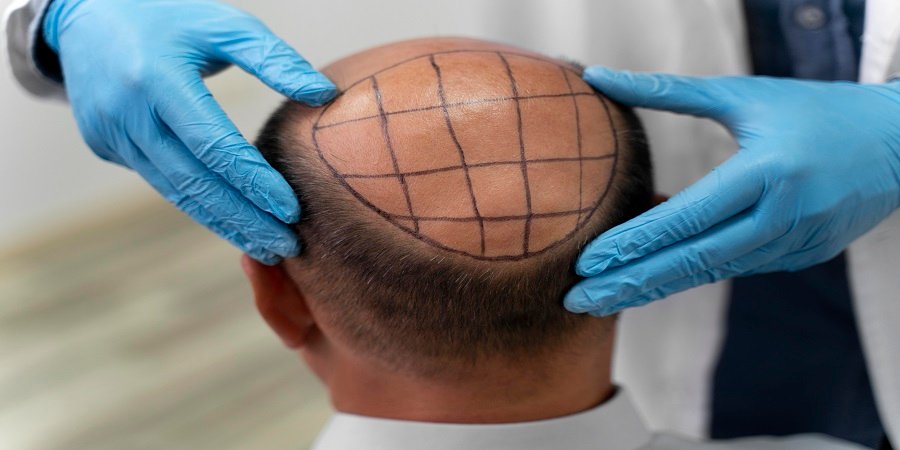
Has your hairline felt more receded every time you looked in the mirror? Do you find yourself avoiding certain hairstyles because of noticeable hair loss? Progressive hair loss can affect more than your appearance. It can change how you feel about your overall look. Hair transplant in Riyadh offers a clinically guided approach to restoring hair in areas affected by thinning or baldness. Unlike temporary cosmetic coverage, the procedure uses healthy hair follicles from a suitable donor area and carefully places them into areas with reduced hair growth.
Quick Facts:
- Type of procedure: Surgical hair restoration
- Procedure Duration: 4-8 hours
- Anesthesia: Local anesthesia or topical numbing
- Downtime: 10-14 days
- Results Appearance: 6-9 months
- Cost: 6,999 SAR- 29,999 SAR
What is a Hair Transplant?
A hair transplant is a minimally invasive surgical procedure that restores permanent hair growth to areas experiencing thinning, balding, and recession. It works by taking healthy hair follicles from a dense donor zone and transplanting them into the recipient areas.
How a Hair Transplant Works:
Hair on the back and sides of the head is naturally resistant to dihydrotestosterone, the primary hormone responsible for androgenetic alopecia. When these follicles are relocated to thinning areas, they retain their genetic resistance and continue to grow naturally for a lifetime.
Major Techniques Used for Hair Transplant:
Modern hair transplant is split into two primary extraction categories: FUE and FUT. Below is an explanation of the major techniques;
- Follicular Unit Extraction:
Follicular Unit Extraction is a method in which individual hair follicles are extracted directly from the donor area using a motorized or manual micro punch tool. Micro incisions are created in the balding areas, and grafts are manually placed.
- Follicular Unit Transplantation:
In this method, a tiny strip of the scalp is surgically removed from the donor site, and individual hair grafts are dissected under microscopic control before implantation.
Advanced FUE Variation:
- Direct Hair Implantation (DHI):
It uses a specialized tool called a Choi implanter pen. Grafts are loaded into the pen, which opens the channel and implants the follicles simultaneously in a single step.
- Sapphire FUE:
This is a standard FUE procedure, but recipient channels are created using ultra-sharp gemstone (sapphire) blades instead of traditional surgical steel.
- Robotic & Automated FUE:
Uses AI algorithms and automated robotic arms or pneumatic suction devices to map the scalp, identify optimal donor hairs, and assist with extraction.
Technique Comparison Matrix
| Feature | FUE | DHI | Sapphire FUE | FUT (Strip) |
| Extraction Tool | Micro-punch | Micro-punch | Micro-punch | Scalpel (Strip excision) |
| Implantation Tool | Forceps / Tweezers | Choi Implanter Pen | Forceps into pre-opened channels | Forceps into pre-opened channels |
| Donor Scarring | Scattered micro-dots | Scattered micro-dots | Scattered micro-dots | Single linear scar |
| Recovery Downtime | 7–10 days | 5–7 days | 7–10 days | 14–21 days |
| Requires Full Shave? | Yes (usually) | No (can do un-shaven) | Yes | Yes |
| Ideal Application | High graft counts | Hairline design & density | Medium to extensive coverage | Extreme hair loss |
Benefits of Hair Restoration Procedure:
Hair transplant procedures offer both aesthetic and psychological advantages. Below are the core benefits of modern hair transplantation;
- Helps improve the appearance of visible thinning and bald patches
- Carefully planned follicle placement can help create a hairline that complements your features
- The transplanted hair will blend naturally with existing hair
- Provides lasting growth for suitable patients
- Increases coverage and makes areas of the scalp appear fuller
Expected Outcomes of Hair Transplant:
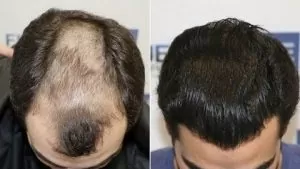
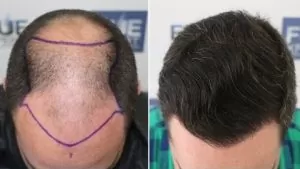
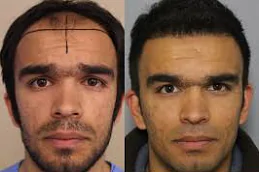
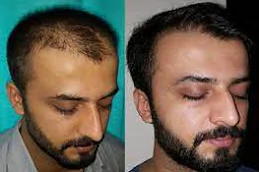
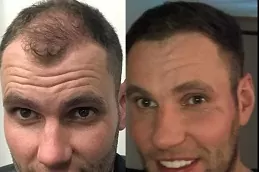
A hair transplant can gradually improve hair coverage density and the appearance of a receding or thinning hairline. After the procedure, the transplanted hairs typically begin to shed temporarily before new growth begins, so visible results develop progressively over 9-12 months rather than immediately. Most patients notice early growth within a few months, with continued enhancements as the transplanted follicles mature. The final outcomes depend on different factors. With proper planning and suitable candidacy, the goal is to achieve natural-looking hair growth that blends with the surrounding hair.
Factors on which the Results Depend are:
- Donor hair quality
- Extent of hair loss
- Graft Placement
- Individual healing
- Adherence to aftercare Instructions

Ideal Candidate For Hair Transplant in Riyadh:
A hair transplant may be suitable for individuals experiencing noticeable hair thinning. Ideal candidates generally include;
- Adults with stable or predictable hair loss patterns
- Individuals with a receding hairline or thinning crown
- Patients with adequate donor hair density
- People seeking natural-looking, long-term hair restoration options.
- Individuals with scalp healthy enough to support successful follicle transplantation.
Why Choose Aesthetic Clinic Riyadh for Hair Transplant?
Here is why you should choose Aesthetic Clinic Riyadh for a hair transplant:
- Hair transplant procedures in Riyadh are performed by experienced specialists with expertise in hair restoration techniques.
- Our clinic offers personalized treatment plans based on your hair loss pattern, scalp condition, and restoration goals.
- We use modern hair transplant techniques designed to achieve natural-looking and long-lasting results.
- You will undergo a detailed scalp and hair assessment before selecting the most suitable technique and treatment plan.
Pre-care Instructions:
Following the right preparation steps can help create a safer and smoother hair transplant experience:
- Discuss your hair loss pattern, medical history, and previous treatments with your specialist
- Inform them about all the medications and supplements you are taking
- Pause blood-thinning medications and herbal vitamins
- Keep your scalp area free of any products
- Do not undergo any chemical treatment before your transplant
Procedure Steps for Hair Transplant at Aesthetic Clinic Riyadh:
A medical hair transplant is executed through a precise multi-step process. Below is the standard procedural sequence followed for hair transplant:
Pre-Operative Assessment & Consultation:
The expert evaluates your scalp health and blood work. The surgeon maps the recipient zone and designs a natural hairline tailored to your facial structure and age.
Scalp Preparation & Local Anesthesia:
The donor and recipient areas are trimmed. Local anesthesia is administered to numb the scalp completely.
Donor Graft Harvesting:
Using a micro punch tool, individual follicular units containing 1-4 hair strands are carefully extracted from the DHT-resistant donor area. In the FUT method, a thin strip of donor tissue is harvested and dissected under microscopes instead.
Graft Sorting and Storage:
Harvested grafts are categorized by follicle count and preserved in a temperature-controlled nutrient solution to maintain cell viability.
Recipient Channel Creation:
The surgeon uses micro blades to create microscopic incisions in balding zones. Angle, depth, and direction are meticulously controlled to mirror the scalp’s natural growth pattern.
Graft Implantation:
Surgical experts place each preserved graft into the prepared channels using delicate forceps or specialized implanters, taking care not to crush the fragile root bulb.
Post-Operative Cleaning & Bandage:
The recipient zone is thoroughly cleaned with sterile solution and left open to breathe, while a protective bandage is applied across the donor area to prevent infection and absorb fluid discharge.
Aftercare Instructions for Smooth Results:
Proper aftercare helps protect newly transplanted follicles and support healthy healing. Follow the surgeon’s specific instructions as recovery can vary depending on the technique used;
- Do not touch, scratch, or pick the transplanted area during the early healing period.
- Limit heavy exercise and activities that can cause excess sweating and heat.
- Avoid prolonged sun exposure.
- Delay colouring, bleaching, or applying any other chemicals to the hair and scalp.
- Use antibiotics and painkillers as recommended by the specialist.
- Attend regular follow-ups to monitor healing and assess the progress of new hair growth.
Recovery Timeline for Hair Transplant:
Hair transplant recovery happens gradually. While the initial healing usually occurs within the first couple of weeks, visible growth takes several months as the transplanted follicles enter their natural growth cycles.
| Recovery Period | What to Expect |
| Day 1-7 | Mild redness and tenderness may appear around the treated area. Scabs begin to form and gradually loosen. |
| Week 2 | Most visible signs of the procedure usually begin to settle. Normal activities can gradually resume according to your specialist’s advice. |
| Weeks 3-8 | Temporary shedding of transplanted hairs may occur. This is a common part of the hair growth cycle. |
| Months 3-4 | Early new growth may become noticeable, although density is still developing. |
| Months 5-6 | Hair growth generally becomes more visible with improving coverage and thickness. |
| Months 7-9 | Transplanted hairs continue to mature and blend with the surrounding hair. |
| Month 10-12+ | More developed results become apparent, with continued improvements in thickness and overall experience. |
Cost of Hair Transplant Treatment in Riyadh:
The Cost of Hair transplant in Riyadh typically ranges between 6,999 SAR- 29,999 SAR. This is a general cost estimate that can change based on individual needs and graft requirements. You can get the exact cost at your initial session with the transplant specialist.
Cost Breakdown Based on Technique:
| Technique | Estimated Price (SAR) |
| FUT | 6,999 SAR- 14,999 SAR |
| FUE | 9,999 SAR- 24,999 SAR |
| DHI/ Sapphire | 14,999 SAR- 29,999 SAR |
Estimated Cost by Graft Count:
| Grafts Required | Estimated Price (SAR) |
| 1000- 1500 Grafts | 6,999 SAR- 11,999 SAR |
| 1500- 2500 Grafts | 11,999 SAR- 19,999 SAR |
| 2500- 4000+ Grafts | 19,999 SAR- 29,999 SAR |
Key Factors Affecting the Price of Hair Transplant:
- Severity of hair loss
- Graft count required
- Follow-up appointments
- Technique used
- Recipient hair availability
- Anesthesia Type
Hair Transplant vs PRP Treatment:
The fundamental differences between a hair transplant and PRP are given below:
| Feature | Hair Transplant (FUE / DHI) | PRP Therapy |
| Primary Goal | Reclaim lost hair on smooth/bald skin | Stimulate dormant follicles and thicken miniaturized hair |
| Procedure Type | Outpatient surgical procedure | Non-surgical injection therapy |
| Mechanism | Extracts healthy follicles from donor area (back of head) and implants them into thinning or bald zones | Uses growth factors concentrated from your own blood sample injected directly into the scalp |
| Invasiveness | Minimally invasive; requires local anesthesia and minor incisions | Non-invasive; quick micro-injections |
| Timeline for Results | 6 to 12 months for full growth | Visible improvement within 3 to 6 months |
| Longevity | Permanent (transplanted follicles resist DHT hormone) | Temporary; requires maintenance sessions every 4 to 6 months |
| Downtime | 7 to 10 days for scabbing and redness to clear | Zero to 24 hours; back to normal routines immediately |
| Ideal Candidate | Individuals with visible bald patches, receding hairlines, or advanced hair loss | Individuals with early-stage hair thinning, active shedding, or weak follicles |
Give Your Hairline a Fresh Start — Consult a Hair Restoration Specialist in Riyadh Today.
Are you thinking about restoring a fuller hair look? You are just in the right place to make the right choice! Book your Hair transplant in Riyadh and get fuller and stronger hair. Don’t wait any longer and book your session now with us at Aesthetic Clinic Riyadh for a smoother and more natural-looking hair transition.
FAQS:
How many grafts will I need to cover my bald areas?
There is no fixed graft number for everyone. The requirement depends on the size of the thinning or bald area, hair density, donor supply, hair characteristics, and the level of coverage you want.
Will transplanted hair match my existing hair?
Because the procedure uses your own hair follicles, transplanted hair generally matches your natural hair in characteristics such as texture and color.
Can I cut or style my hair normally after transplantation?
Hair styling can usually be resumed once the scalp has healed, but your specialist will advise when trimming, shaving, or using styling products is appropriate.
How long will I have to wait before seeing new hair growth?
Initial transplanted hairs may shed during the early healing phase. New growth typically develops gradually over the following months, with fuller results often becoming clearer around 9–12 months.
What if I am still losing hair after my transplant?
A transplant does not necessarily stop ongoing hair loss in untreated follicles. Your doctor may discuss medications or other hair-loss treatments to help preserve existing hair and maintain your overall appearance.
Does transplanted hair grow at the same speed as normal hair?
Once established, transplanted hair follows its natural growth cycle, but the newly transplanted follicles take time to become fully established.
Can I travel by air after a hair transplant?
Travel may be possible after the early recovery period, but timing depends on your procedure and healing. Ask your specialist before planning air travel immediately after treatment.
Is FUE better than FUT for hair transplantation?
FUE and FUT have different advantages and limitations. The appropriate technique depends on factors such as donor density, hair-loss pattern, desired coverage, hairstyle, and individual circumstances.
Will I have scars after a hair transplant?
The type and visibility of scarring depend on the technique used. FUE generally leaves tiny extraction marks, while FUT involves a linear donor-area scar.
Can women undergo hair transplantation in Riyadh?
Yes, suitable women with certain patterns of hair loss may be candidates. A detailed assessment is needed to identify the cause of hair loss and determine whether sufficient donor hair is available.
What if my hair continues thinning after the transplant?
A transplant does not necessarily stop natural hair loss in untreated follicles. Your specialist may recommend a long-term hair-maintenance plan to help preserve the surrounding hair.


