
Fat Transfer Surgery in Riyadh – Reshape, Restore, Rejuvenate:
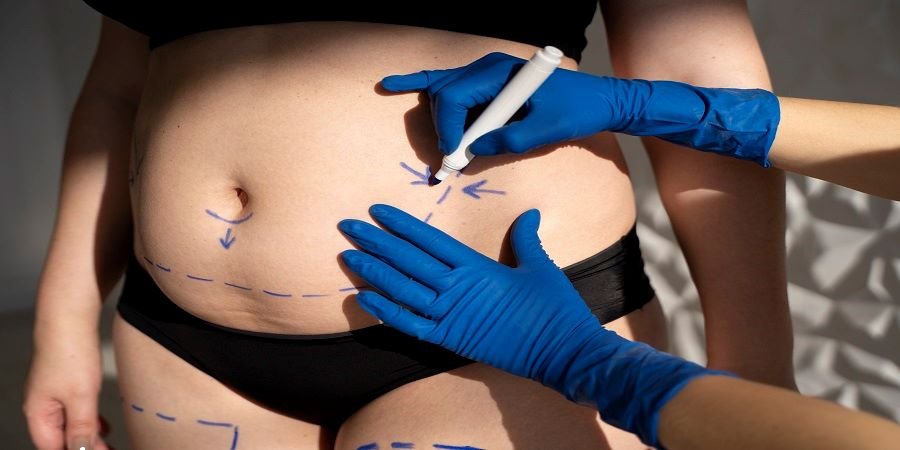
Fat transfer at Aesthetic Clinic Riyadh involves liposuction to remove excess fat from areas like the abdomen or thighs, which is then purified and injected into desired regions (breasts, buttocks, face) for natural-looking volume enhancement.
Performed by highly qualified surgeons, the procedure takes 1-2 hours with minimal downtime and temporary side effects.
Why choose an Aesthetic Clinic Riyadh?
- Highly qualified surgeons.
- Results last for up to six months.
- Perform almost all kinds of cosmetic surgical or non-surgical procedures
- Minimal downtime.
- Temporary side effects.
- The procedure takes 1-2 hours.
- Free consultation.
- 15% discounts on MBF cards.
- Other names of fat transfer are Lipofilling Fat injection and Fat graft.
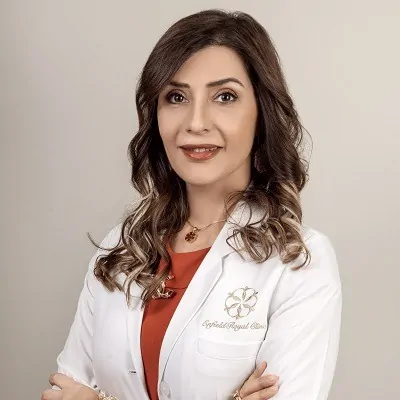
Dr. Nibras Sufeian AlDoori
- Expertise: Dual specialization in Family Medicine & Aesthetic Treatments, with advanced skills in fat transfer procedures.
- Clinic: Practicing at Aesthetic Clinic Riyadh – a leading center for natural, long-lasting aesthetic enhancements
- Natural Volume Restoration: Expert in fat grafting for facial rejuvenation, breast augmentation, and body contouring.
- Minimally Invasive Technique: Uses the patient’s own fat for safe, organic results with reduced risk of rejection.
What is Fat Transfer?
Fat transfer is also known as fat transplant surgery. This procedure includes injecting fat into volume-deficient parts of the body. This fat is surgically removed from places with excess fat, such as the buttocks, thighs, breasts, and abdominals. It is used to enhance the lips, breasts, hips, and face.
This procedure is also known as fat grafting or lipofilling, it is a cosmetic procedure that involves removing fat from one area of the body, typically through liposuction, and then injecting it into another part to enhance volume or contour.
Uses:
Commonly used for facial rejuvenation, breast augmentation, and buttock enhancement, this technique allows for a natural-looking and long-lasting improvement.
The transferred fat contains living cells, contributing to more organic results compared to synthetic fillers. While some of the transferred fat may be reabsorbed by the body, a significant portion typically integrates successfully, providing a subtle and natural enhancement.
Common Treatment Areas
| Area | Best For |
| Face | Cheeks, lips, under-eyes, wrinkles, scars. |
| Breasts | Natural augmentation (small to moderate size increase). |
| Buttocks | Brazilian Butt Lift (BBL) for a rounder, lifted shape. |
| Abdomen | Six-pack sculpting (for men). |
| Hands | Reducing visible veins & restoring youthful plumpness. |
| Calves/Arms | Enhanced muscle definition. |
Benefits:
- Fat transfer provides a natural-looking appearance and the tissues are your own.
- Not only does it enhance the area of the body but also gives volume.
- Results are long-lasting for areas such as breasts, face, and buttocks.
- Chances of allergy are minimal as the issues are of the person’s own body.
- Skin quality of the area is improved as transferred fat contains stem cells.
- Beyond body volume enhancement, collagen production increases and contributes to a more balanced overall appearance.
- It is a minimally invasive procedure as compared to traditional procedures for such treatments.
Types:
- Liposuction: The first step in fat transfer involves liposuction to harvest fat transfer from the donor area.
- Purification: The extracted fat is processed to remove impurities and damaged cells
- Injection: the purified fat is carefully injected into the desired area of the body to enhance volume, contour, or correct symmetry.
- Microfat transfer: Involves the transfer of small amounts of fat to obtain the liquid form often used for improving skin texture.
- Facial face grafting: focuses on transferring fat to the face to restore volume, and enhance facial contours.
- Breast fat transfer: Involves the use of fat to enhance the overall appearance of the breast.
- Mega-Volume Fat Grafting Body Fat Transfer: Mega-volume fat grafts are often used for gluteal and Breast Augmentation, as well as breast reconstruction. It involves transferring more than 300 mL of fat. It is capable of doing fat grafting on the hands, abs, and six-pack abs.
- Small-Volume Fat Grafting Body Fat Transfer: Small-volume fat grafting is a frequent procedure for face rejuvenation or regeneration. This form of fat transplant includes the transfer of fewer than 100 milliliters of fat. It may be utilized to shift fat from the hands, the abdomen, and the six-pack abs.
- Large Volume Fat Grafting Body Fat Transfer: Commonly used for breast and body contouring, this procedure involves the transfer of 100-200 mL of fat. It may be used for AirSculpt fat transfers.
Macro Fat Grafting Body Fat Transfer vs Micro Fat Grafting Body Fat Transfer:
| Macro fat grafting | Micro fat grafting |
| Macro fat grafting is utilized to increase volume and lift in high-volume transfers, such as those to the breasts or buttocks. This sort of fat transfer is widely used for BBL fat transfers, buttock fat transfers, hip dip fat transfers, and arm fat transfers. | Micro fat grafting is utilized for small-volume transfers, often to the face, to increase volume or rectify characteristics. This form of fat transfer may be used for a range of procedures, including hip dip fat grafting, under-eye correction, arm fat grafting, BBL fat grafting, and lip augmentation. |
Perfect candidate:
Anyone who:
- Have a small rise in breast size.
- Improve skin appearance by addressing depression and reducing lines and wrinkles.
- Reduces the look of facial scars.
- Longer lasting results than standard fillers.
- rejuvenate their hands.
- Rejuvenate dull-looking faces.
- Increase volume in certain body regions to improve contouring.
Pre care instructions:
- Keep your body moisturized.
- Eat healthful foods and maintain a balanced diet before surgery.
- Get your lab assessment done before surgery to avoid any mishaps.
- Avoid sun exposure several days before to the treatment.
- Stop taking any medicine for any other condition.
- Avoid using blood thinners to prevent blood loss during and after the surgery.
- Ensure that you comply with all the criteria that are required to enable the operation without enduring any complications.
Procedure steps:
Fat transfer involves the harvesting and re-implementation of a person’s tissue. The procedure typically involves a multi-step process,
-
Harvesting:
First, the surgeon identifies the donor sites, often areas with excess fat are the abdomen or thighs.
-
Liposuction:
Liposuction is then employed to extract the fat, utilizing a cannula.
-
Purification:
Following extractions, the harvested fat undergoes a purification process to remove the impurities from the fat that is going to be injected into a particular area, such as the face or breasts, to enhance volume or contour.
-
Results:
The success of fat transfer lies in the survival of transplanted fat cells, which require an adequate blood supply in the recipient site.
This procedure offers a natural look as it employs the patient’s tissues, reducing the risk of rejection or allergic reactions.
Aftercare:
- Allow yourself to rest and recover from the treatment and have proper healing time.
- Follow the surgeon’s advice to wear compression garments. These can reduce swelling.
- Be mindful of avoiding direct pressure on the treated area of the body.
- Keep yourself hydrated as possible for the best outcomes.
- Avoid direct exposure to the sun and use sunscreens to protect the treated area.
- Attend the appointments to observe the results of the treatment.
- Be patient as the results may take some time to appear on the skin prominently.
- If you observe unusual or severe outcomes contact your surgeon for a quick checkup.
- Take the proper medicines prescribed by the doctor to reduce pain and antibiotics for infection.
Results:
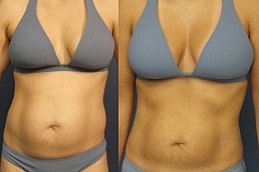
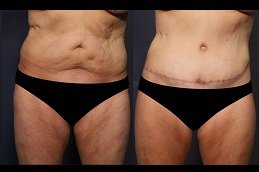
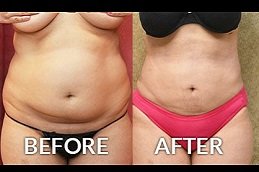
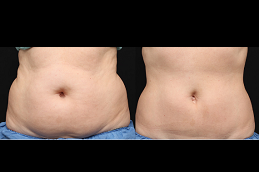
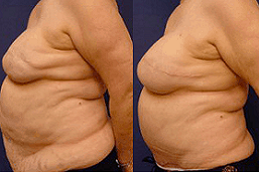
Results may vary, from person to person but the common outcomes may include volume enhancement and improved color.
Results are ever-lasting and better than one’s expectations.
This procedure’s outcomes can be observed within 2 to 3 weeks after the patient’s bodily portion has recovered entirely.
This treatment is anticipated to reduce deep lines and wrinkles, improve skin quality, and mend defects. Volume improvement in the treated regions, including the chin, hips, lips, cheeks, stomach, and cheekbones.
It is the most versatile treatment, treating a variety of human body components. People who continue to exercise and eat healthily will see long-term benefits.

Recovery:
After a fat transfer operation, the first recuperation time is typically 48 hours. During this period, you will regain awareness and your body will begin to heal itself. You will be able to resume some of your normal activities after 48 hours.
Fat Transfer Recovery Timeline
| Recovery Phase | Key Symptoms/Changes | Activity Level | Care Instructions |
| Days 1–3
(Initial Recovery) |
• Peak swelling & bruising at donor/recipient sites
• Moderate pain (managed with medication) |
• Strict rest
• No sitting (for BBL) • Minimal movement |
• Wear compression garments 24/7
• Stay hydrated • Take prescribed meds |
| Week 1–2
(Early Healing) |
• Bruising fades
• Swelling reduces by ~50% |
• Light walking encouraged
• Sedentary work OK after 7–14 days |
• Avoid sun, heavy lifting, exercise
• Continue compression wear |
| Weeks 3–6
(Intermediate) |
• 30–50% fat absorption
• Visible volume improvement • Residual swelling |
• Low-impact exercises (e.g., yoga)
• No intense workouts |
• Monitor graft survival
• Massage if advised by surgeon |
| Months 3–6
(Final Results) |
• Fat fully stabilizes
• Final contours apparent |
• Resume all normal activities | • Maintain stable weight |
Sculpt. Transfer. Transform by booking us!
Book us now at an Aesthetic Clinic Riyadh to get the Fat Trasnfer in Riyadh. Fill out the form or call us on the number now.
FAQs:
When are the results visible?
The receiving region should seem softer and fuller immediately after surgery; however, the ultimate effect may take many months to show.
Is it a safe and effective option?
Yes, it is a safe and effective option.
Is there any specific weight to undergo the surgery?
There are no precise weight requirements for fat transfer treatments; however, patients should preferably be within a healthy weight range; it is also okay for fat transfer patients to be somewhat overweight.
How long do results last?
Results are long-lasting, with most transferred fat remaining permanently, though some absorption may occur in the first few months 611.
Is fat transfer safe in Riyadh?
Yes, it’s safe as it uses your own fat, reducing risks of rejection or allergic reactions compared to synthetic fillers or implants 915.
What is the recovery time?
Recovery is typically 1–2 weeks, with mild swelling and bruising; light activities can resume sooner 211.
Can fat transfer replace implants?
It’s an alternative for subtle augmentation, but multiple sessions may be needed for significant size increases
Our Google Reviews
I recently had a fantastic experience at Aesthetic Clinic for their laser skin services. The staff was incredibly knowledgeable and made me feel comfortable throughout the entire process.
Fatima

I cannot speak highly enough of Aesthetic Clinic and their laser skin services. From the initial consultation to the actual treatment.
Maaz
Choosing Aesthetic Clinic for their range of aesthetic services was one of the best decisions I've made for my self-care routine.
Rabia