


Why Choose Dr Rabih Abi Rafea for Bariatric Surgery?
✔ Triple Board-Certified Surgeon – General, Laparoscopic & Bariatric Surgery
✔ JCI-Accredited Weight Loss Center – Multidisciplinary Care Team
✔ 15+ Years Experience – 2,000+ Successful Surgeries
✔ Lifetime Aftercare Program – For Sustainable Results
Looking to Gain Control of Your Weight and Change Your Life?
- Do you struggle with obesity and weight-related health problems like diabetes or high blood pressure?
- Have you tried diet and exercise without achieving sustainable results?
- Are you ready to take the first step toward a healthier, happier you?
We have the answer you’ve been looking for.
Bariatric surgery in Riyadh is a life-changing treatment for people suffering from obesity and weight-related health problems. This surgical procedure is intended to promote long-term weight loss by reducing stomach size, decreasing food intake, and increasing metabolism.
Bariatric surgery, which includes procedures such as gastric bypass, sleeve gastrectomy, and adjustable gastric bands, is a safe and effective technique to accomplish considerable weight reduction while also improving general health. If you’re ready to take back your health, bariatric surgery might be the first step toward a healthier, happier you.
Dr Rabih Abi Rafea
Dr Rabih Abi Rafea is as follows: doesn’t just reduce weight—he transforms lives. With over 15 years of dedicated experience and advanced training in bariatric surgery, he delivers safe, effective, and life-changing results
- Saudi Arabia’s Leading Revision Bariatric Surgeon
- Fellowship-Trained at Cleveland Clinic (USA) & King’s College London
- Pioneer of “Metabolic Reset Technique” – Optimizes Diabetes Remission
Quick facts:
| Cost | 10,000 – 20,000 SAR. |
| Results: | About 2 to 3 months. |
| Procedure time: | About 1 to 2 hours. |
| Downtime | 2 or 3 days. |
| Back to work | 2 to 4 weeks. |
Bariatric surgery| Weight loss surgery!
Are you struggling with obesity?
Bariatric surgery is a medical treatment designed to help people cope with extreme obesity. It decreases the weight by decreasing the size of the stomach. This process involves the alteration of the digestive system, which restricts the food-eating capacity and absorption.
This surgery is impactful for people who have faced difficulties in losing fat. In contrast to other weight loss treatments bariatric surgery is more impactful. It works as a charm for people who have diabetes and high blood pressure.
It is a method that can help those people who have tried to lose weight and have made an effort but haven’t succeeded. In this surgery, the size of the stomach is reduced by altering the digestive system. The surgery is not simple, which is why it is done by a professional surgeon. It is the best option for obese people to lose weight without doing much hard work.
Aims of Bariatric Surgery:
The main aims are:
- To get a normal physique and have a balanced body weight and structure.
- To enhance your overall appearance by getting to a normal body weight.
- To boost your confidence by having a body that you desire and want.
- To undergo a treatment that has positive results and feedback.
Types of Bariatric Surgery:
The procedure is complex and involves serious care depending on the type of surgery. The main types and methods that are available to date are:
It is a non-surgical treatment that involves minimal risk. In this, a balloon that will be deflated will be placed in your stomach, and after it will be inflated with a solution that will cover some area of the stomach, resulting in giving you a feeling of fullness, so you eat less, which will help in weight loss. |
|
In this type of surgery, an inflatable pouch or band will be placed on the upper side of your stomach, and this will help you lose weight by giving you the feeling of fullness. |
The surgery is complex, like its name, and involves removing a piece of your stomach and making it smaller. That will help by reducing the amount of nutrients absorbed by the body. |
|
This operation involves removing a big section of the stomach, leaving behind a smaller, sleeve-shaped stomach. This limits the quantity of food that may be consumed and lowers hunger hormones. |
Laparoscopic gastric banding is a minimally invasive weight loss procedure in which a silicone band is wrapped around the top region of the stomach, forming a tiny pouch. This reduces food consumption and creates a sense of fullness through smaller meals. |
Results| Life After Bariatric Surgery:
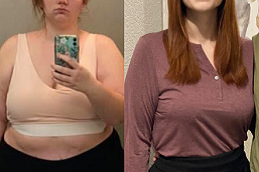
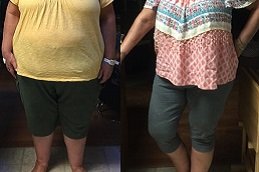
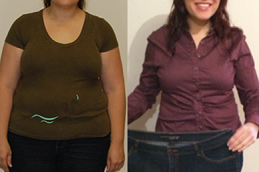
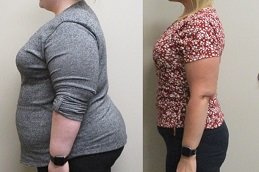
Weight loss transformation:
The results can vary depending on which surgery you choose. The main results will be that you will lose your extra body weight, resulting in a finer and better body structure and shape. Your confidence will be boosted, and your appearance will be enhanced. As it is a critical surgery, it is also possible that you may face some problems that will be discussed further.
- Gastric Sleeve – 60-70% Excess Weight Loss
- Gastric Bypass – Gold Standard for Diabetes
- Duodenal Switch – For Super Obesity (BMI >50)
- Revision Surgery – Fixes Failed Prior Procedures

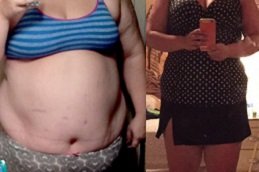
Physical Changes Timeline:
| Time | What to Expect |
| First 1-3 months | Rapid weight loss; dietary adaptation |
| 6 months | Significant weight loss; improved mobility |
| 12 months | 80% of total weight loss achieved |
| 18-24 months | Full results: weight stabilizes |
Physical changes.
- Rapid weight loss throughout the first 6-12 months
- Enhanced mobility and energy levels
- Significant improvement or resolution of diseases, including sleep apnea, hypertension, and diabetes.
Benefits:
Many pros of the surgery are life-changing, but the main ones are:
- Significant and long-term weight loss: Most people who have bariatric surgery lose between 50 and 60 percent of their extra weight.
- Bariatric surgery can lower the risk of mortality from obesity-related disorders such as heart disease, stroke, type 2 diabetes, and some forms of cancer by 30-50%.
- Improved quality of life is due to a variety of reasons, including weight loss, better health, and more self-esteem.
- Bariatric surgery can help treat a variety of obesity-related illnesses, including diabetes, high blood pressure, sleep apnea, and joint discomfort.
Who are the Perfect Candidates for Stomach Reduction Surgery | BMI and Eligibility:
Anyone is a perfect candidate who:
- Is facing obesity and wants to achieve a healthy and balanced body weight.
- Is determined and knows about the treatment, as it also involves some risks.
- Is in overall good health and has no current medical issues.
BMI Guidelines:
| Category | BMI Range | Eligibility |
| Overweight | 25-29.9 | Not eligible (try non-surgical methods) |
| Class I Obesity | 30-34.9 | Eligible with comorbidities |
| Class II Obesity | 35-39.9 | Eligible |
| Class III Obesity (Severe) | 40+ | Eligible |
Preparation:
There are some steps that you should follow to avoid any complications during the process. These steps are:
- Avoid eating fast food or any food that may cause obesity.
- Try to maintain a healthy lifestyle for a few months to achieve the best results.
- Consult with a doctor and discuss the advantages and also the risks involved.
- Stop drinking alcohol and smoking for at least a few days.
Bariatric Surgery Procedure Steps
Step 1: Initial Evaluation
Schedule an examination with a skilled healthcare professional to review the individual’s medical history, weight loss objectives, and treatment alternatives. The physician may also conduct physical exams and diagnostic testing to evaluate the patient’s general health.
Step 2: Preoperative Preparation
Once the decision is made to proceed with bariatric surgery, the client will undergo preoperative preparation, which may include a preoperative diet, exercise routine, and discontinuation of certain medications.
Step 3: Surgery
The actual operation varies depending on the type of bariatric surgery performed, but it typically entails creating small incisions in the abdomen and using specialized laparoscopic equipment. The procedure is performed minimally invasively (laparoscopically).
Step 4: Hospital Stay
Most patients stay in the hospital for 1-3 days post-surgery for monitoring and pain management.
Post-bariatric diet:
Depending on the method used, the care can be different, but the main care involves:
- The first step is to give yourself a little time to heal completely, as it is a surgical process, so it will take time to recover properly.
- Maintain a healthy lifestyle and take good care of your diet, as it is an important factor.
- There can be issues if you avoid any after-session, so go to all aftercare sessions.
Bariatric surgery Riyadh costs:
The cost of Bariatric Surgery in Riyadh may depend on the method used and no of sessions. On average, the cost of bariatric surgery is 10,000 – 20,000 SAR.
| Type of surgery | Time | Cost |
| Sleeve gastrectomy | 1-2 hours | 35,000 SAR to 40,000 SAR, |
| Adjustable Gastric Banding | 2 hours | 12000 SAR to 18000 SAR |
| Biliopancreatic Diversion with Duodenal Switch: | 2-3 hours | 9,999 SAR and 20,000 SAR |
| IntraGastric Balloon: | 1-2 hours | 14,000 SAR to 21,000 SAR. |
| Laparoscopic gastric banding | 2 hours | 12,999 and SAR 19,999 |
Factors Impacting the Cost:
The expenses of the treatment may differ depending on various factors, which are:
- Clinics location
- Condition of the patient
- Experience of the surgeon
- Type of treatment
- Clinic’s reputation
Recovery after Bariatric Surgery:
The recovery duration after the surgery depends on person to person. It also varies depending on the activities of the patient. Some patients might recover in 3-4 weeks. While others can take even 6 weeks to recover.
| Time | What to Expect |
| Week 1 | Hospital stay (1-3 days); liquid diet; mild incisional pain |
| Week 2-3 | Return to desk work; full liquid to pureed foods |
| Week 4-6 | Soft foods; resume light activities |
| Week 6-8 | Return to full activities; solid foods gradually introduced |
| Month 3-6 | Rapid weight loss; dietary adaptation |
| Month 12+ | Full results; weight stabilizes |

Bariatric Surgery vs. Medical Weight Loss
| Feature | Bariatric Surgery | Medical Weight Loss |
| Weight Loss | 50-80% excess weight loss | 5-15% total body weight |
| Sustainability | Long-term | Often temporary |
| Diabetes Resolution | 70-80% improvement | Moderate |
| Insurance Coverage | Often covered | Limited |
| Lifestyle Changes | Required | Required |
Book us now to Shrink the Size, Grow the Life:
Are you tired of stubborn fats? Well, fear not, Bariatric Surgery in Riyadh is the ultimate solution to stubborn fat. It not only reduces fats but also improves the health conditions such as diabetes and high blood pressure.
You can book an appointment for Bariatric Surgery at Aesthetic Clinic Riyadh by visiting our website or by filling out the following form.
FAQS:
Is Bariatric Surgery painful?
Yes, It is a painful process for the patient may feel pain in the incision area
What is the time duration for the procedure of Bariatric Surgery?
It depends on the type of procedure selected. However, it takes around 1-3 hours for the surgery.
How much weight can be lost with this technique?
About 10 to 20 kg weight can be lost with this technique
Is it a invaisve process?
Yes, it is an invasive process
What is the cost of this treatment?
The cost varies between 10,000 SAR- 20,000 SAR.
Are there any side effects associated with it?
Yes, candidate may face some side effects for a temporary time.
Which procedure is right for me?
Depends on BMI, health conditions & goals – we’ll recommend the optimal option
Is surgery reversible?
Sleeve is permanent; bypass can be revised but not fully reversed
When can I return to work?
2-3 weeks for desk jobs, 6 weeks for physical labor
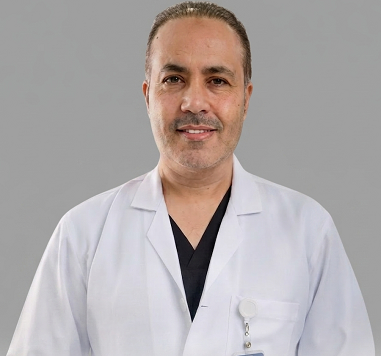
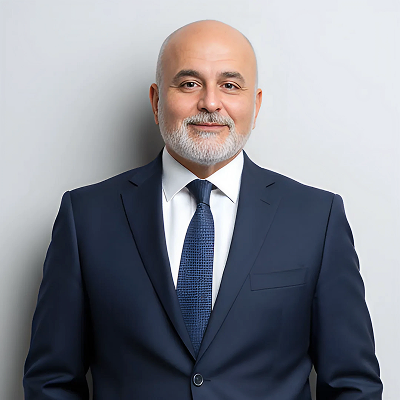
Doctors








Our Google Reviews
I recently had a fantastic experience at Aesthetic Clinic for their laser skin services. The staff was incredibly knowledgeable and made me feel comfortable throughout the entire process.
Fatima

I cannot speak highly enough of Aesthetic Clinic and their laser skin services. From the initial consultation to the actual treatment.
Maaz
Choosing Aesthetic Clinic for their range of aesthetic services was one of the best decisions I've made for my self-care routine.
Rabia